
Learning Considered
Educational consultant, speaker, and trainer delivering professional development to equip educators, parents, and community leaders with context, skills, and techniques of brain-based teaching and management models to most effectively educate students.
Simply put, you’re busy. I take items off your plate and partner with you to move closer to your goals.
Education Services
Sample trainings that are most often requested by school leaders and highly rated by teachers!
Classroom Management
Why are they doing this!?: The Secret to Working with Developing Brains
- Examine how hemispheres of the brain impact verbal and emotional responses
- Define causality of reactive behavior to plan for responses vs. reactions
- Implement three concrete strategies for responding to student behaviors
Equitable Classroom
Easy Differentiation for Busy Teachers That Produces High Learning Retention
- Articulate student and teacher behaviors in a highly differentiated classroom
- Describe the most powerful lever for easily differentiating for all students
- Explain the brain-based science behind teaching for learning retention
Trauma-Informed Instruction
Trauma-Informed Lessons: Planning for Students with High ACE Scores
- Describe how trauma impacts the limbic regions and prefrontal cortex
- Examine how best to access prior knowledge in students while promoting brain regulation
- Explain how the brain is drawn to engagement and retention with ease
Managing The Post COVID Classroom
Mainstreamed for Success: Classroom Management and Behavior Strategies for Exceptional Learners
- Articulate how student cues can result in misunderstanding driving factors of student behavior
- Implement the most effective tool for supporting students with special needs
- Examine research-based powerful strategies to help all learners feel successful
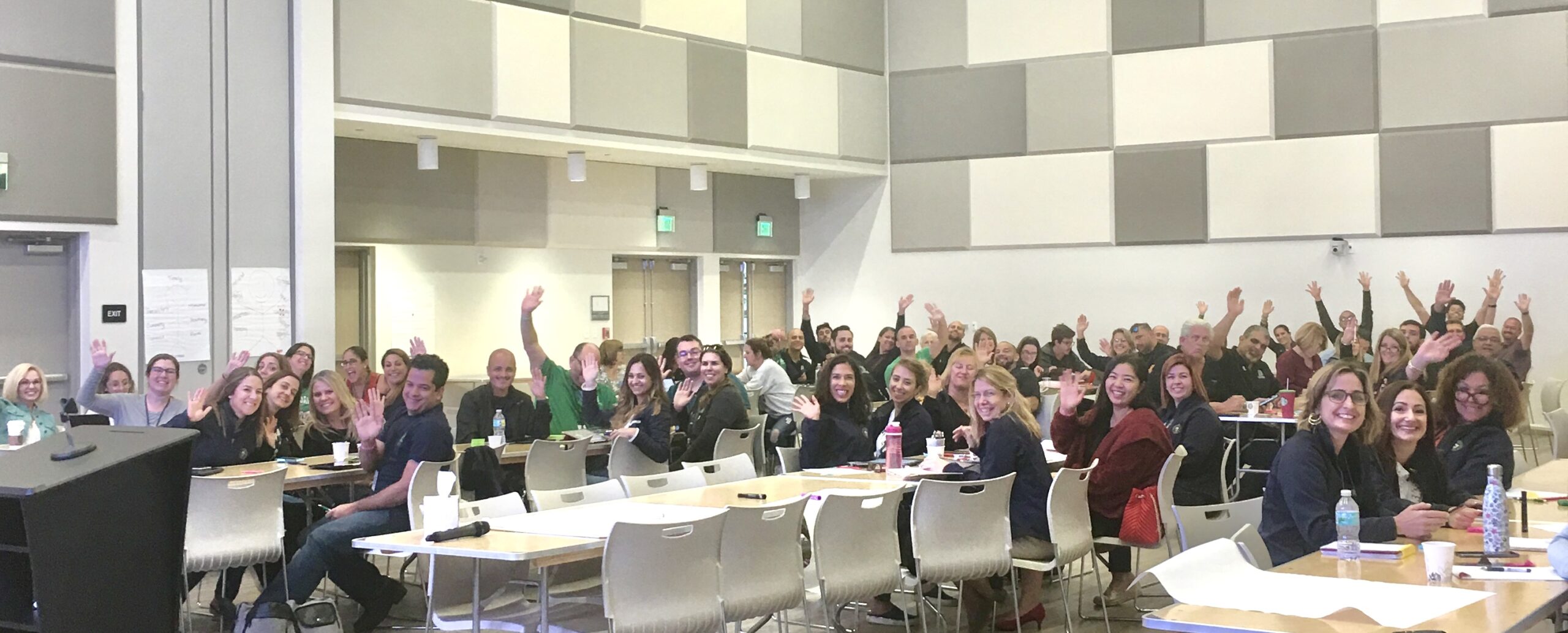
Feedback from educators
Equipping grown-ups to see the whole child and exploring how a deeper context of a child’s behavior can help everyone be happier and healthier. Participants will leave this course with an informed schema for behavior and an evidence-based toolkit to respond instead of react.
Day 1 Objectives:
- Describe the characteristics we want to see in our children as adults
- Describe how children were traditionally viewed/treated and compare against a more connected perspective
- Articulate functions of the left and right brain and why connection is important for overall health
- Explain and apply Mirror-Heart-Hold strategy
- Reflect on their interactions with their children this week and apply new learning
5 Hours
Day 2 Objectives:
- Describe the needs we have and how they compare to other needs
- Articulate functions of the upstairs and downstairs brain
- Describe why connection is important for overall brain health and plasticity
- Explain and apply the Positive Time-Out and Communicating Without Words
4 Hours
Day 3 Objectives:
- Describe how children were traditionally viewed/treated and an alternative perspective
- Articulate the weaknesses of “traditional” models and why connection is important
- Name the characteristics we want to see in ourselves and our children, and how the connected model supports this
- Reflect on and describe our own childhood experiences and how they may impact our parenting
4 Hours
LEARNING CONSIDERED•LEARNING CONSIDERED•LEARNING CONSIDERED
For immediate attention, email me directly here: Shannon@learningconsidered.com